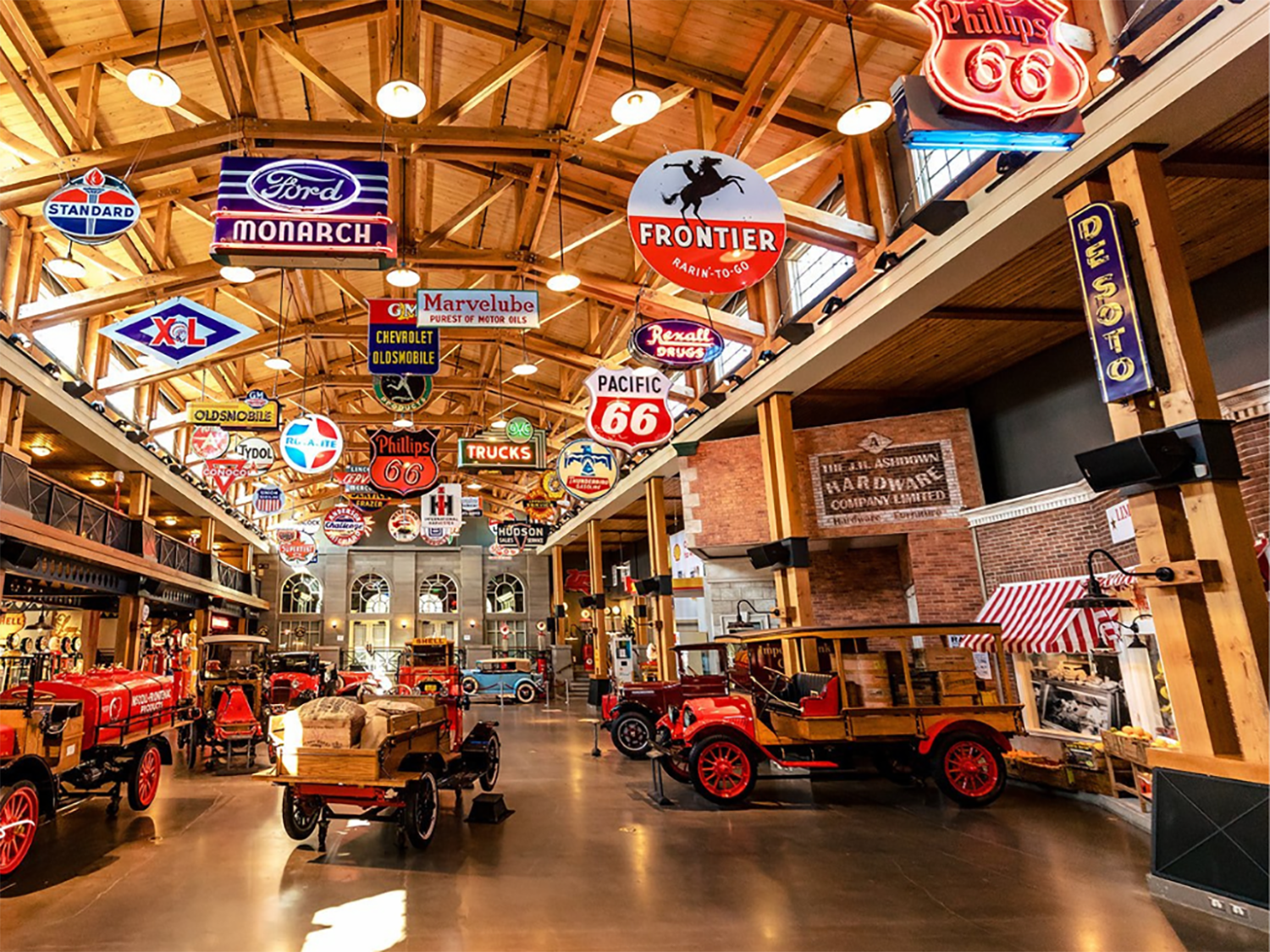
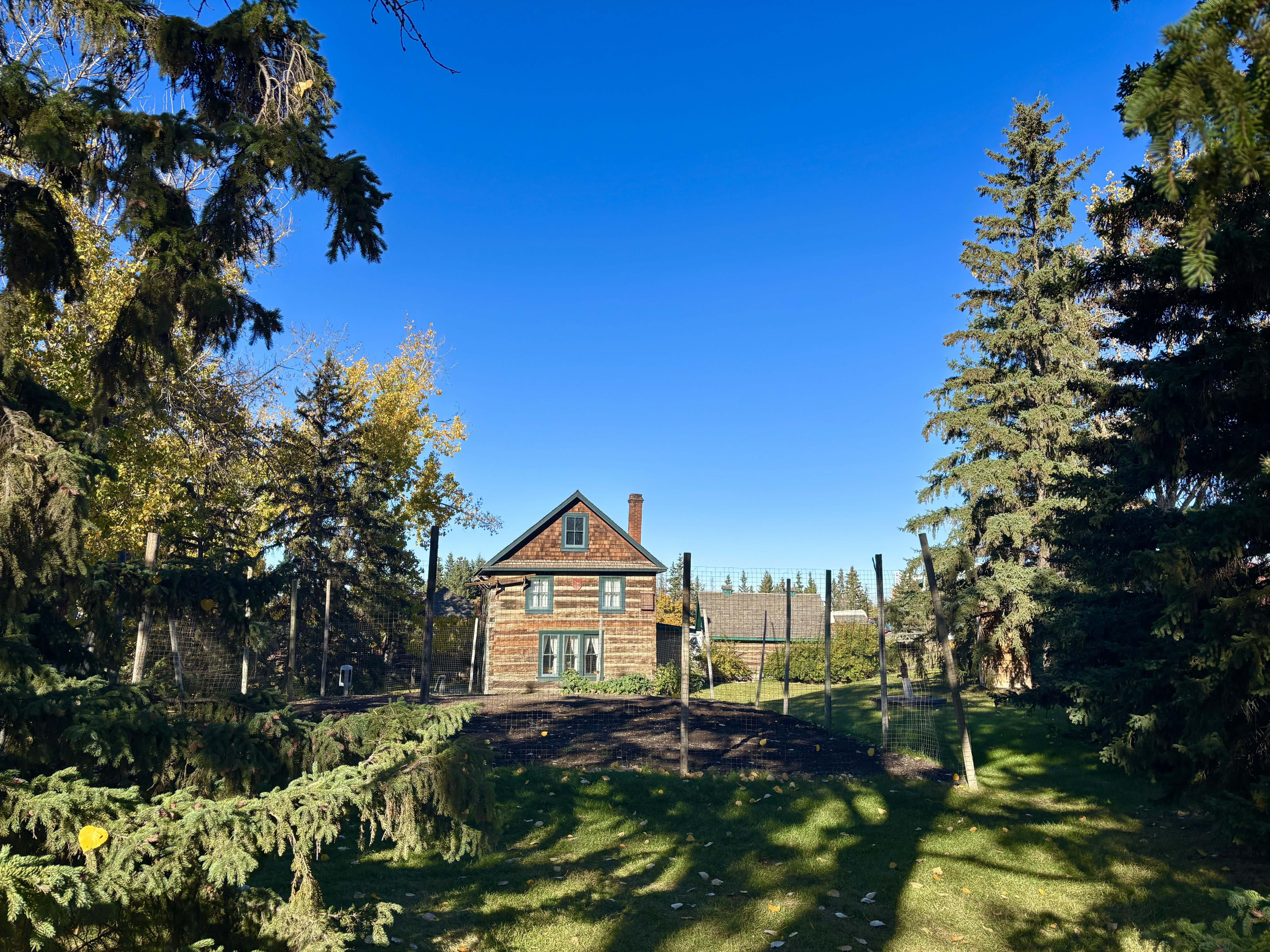
"As an example of a positive lived experience of quality in the built environment, I think of visiting Heritage Park Historical Village. What stands out is not only the park itself, but how it extends into the surrounding landscape along the river, creating a broader sense of place that feels both immersive and calm.
Walking through the village, I remember feeling as though I had stepped into the past. It is not just about observing history, but experiencing it, seeing live demonstrations, watching how people once lived, and moving through spaces that recreate everyday life from another time. There is a subtle shift in atmosphere; you are still in the present, yet surrounded by a different rhythm and way of being.
Beyond the historical buildings, the outdoor spaces play an equally important role. There are many benches and quiet corners where you can sit, pause, and take in the environment. These moments of stillness, combined with views of the river and natural surroundings, invite reflection and a deeper connection with the place.
What I remember most vividly is the sensory experience, the smell of fresh baking drifting through the air from the bakery, which quietly anchors the experience in something familiar and comforting. It is in these small, tangible details that the place becomes memorable. You are not only learning about the past; you are inhabiting it, even if just for a moment.
This combination of immersion, sensory richness, and opportunities for reflection creates a strong sense of continuity between past and present. It demonstrates how built environments can go beyond function or representation, becoming spaces where people can meaningfully connect with history, with nature, and with themselves."
Show more

 Publication:18 June 2026