Discover the partnership websiteLiving Atlas of Quality

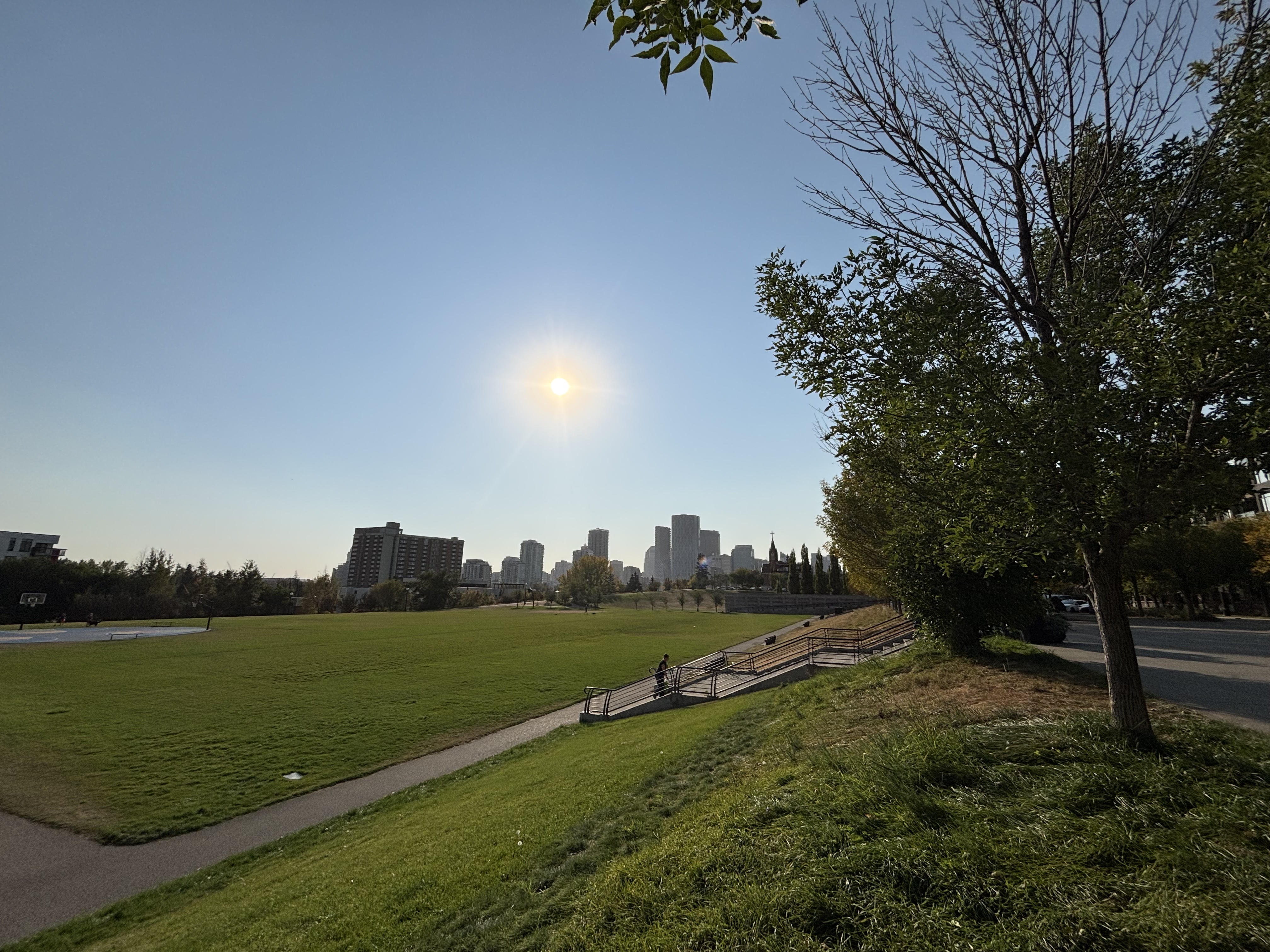
 Bridgeland Master Plan
Image credit: Jacqueline Camino
"Bridgeland is a really interesting example to me because it shows what long-term urban planning can do over time. I have lived in Renfrew-Bridgeland for about 15 years, and even as a student architect, I was connected to work around the master plan for that area, so I have watched a lot of that change happen. What stands out is that the densification was not random. It was planned. You had the transit stations, the old hospital lands, the disrupted main street, vacant lots, low density, and then over time, you started to see housing, mixed-use spaces, and community amenities come in. What I find especially compelling is that even with all that growth, the area has kept a lot of green space, and that space keeps getting improved with new programming. It has made the neighbourhood richer over time. Bridgeland is also unique in its demographics because there are still many senior services, assisted living, and health-related supports connected to the area’s history. That mix of density, transit, green space, and social infrastructure makes it feel like a very inclusive and livable community." (Adapted from interview material. Edited for clarity while preserving the participant’s voice)